12 hr 30 min
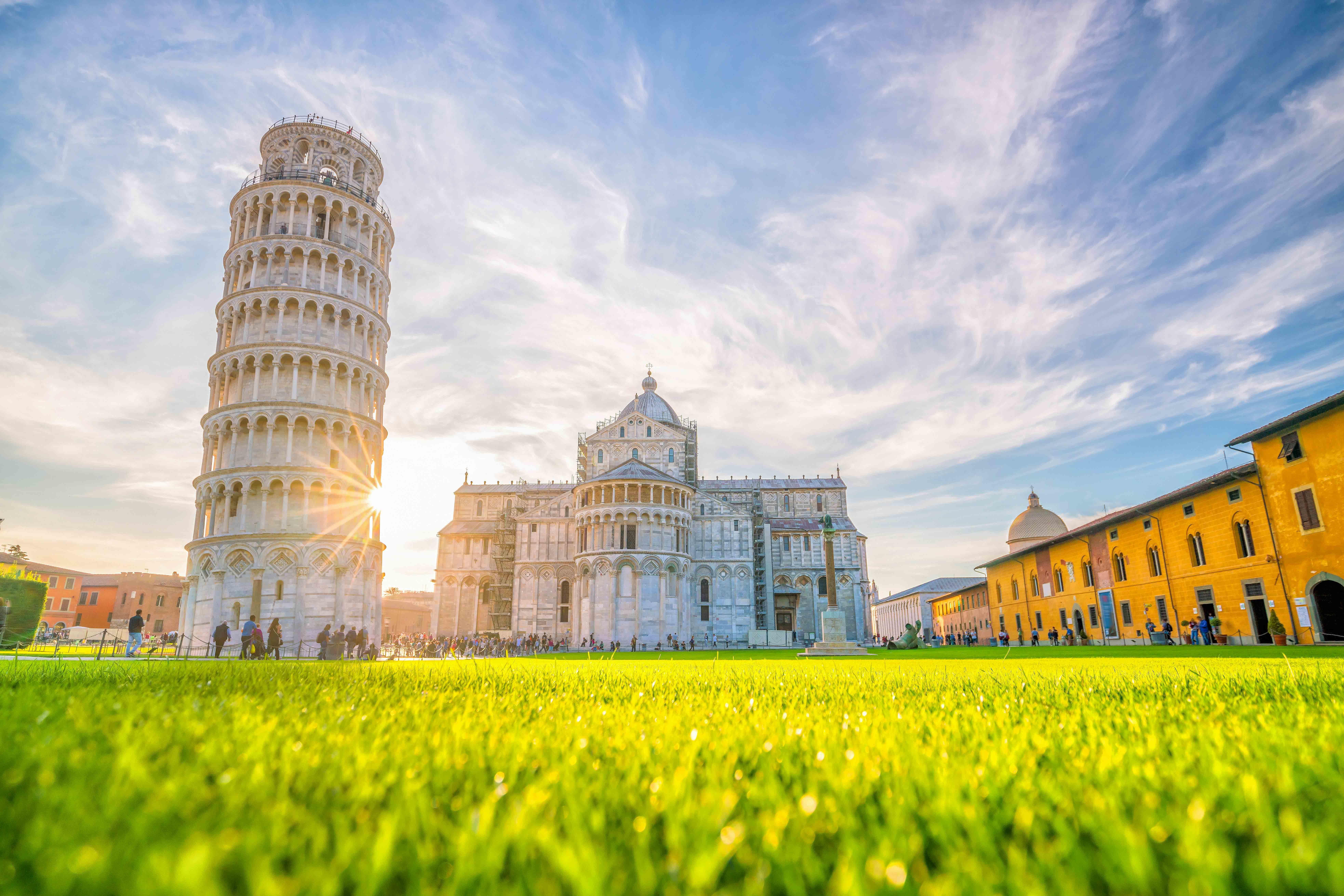
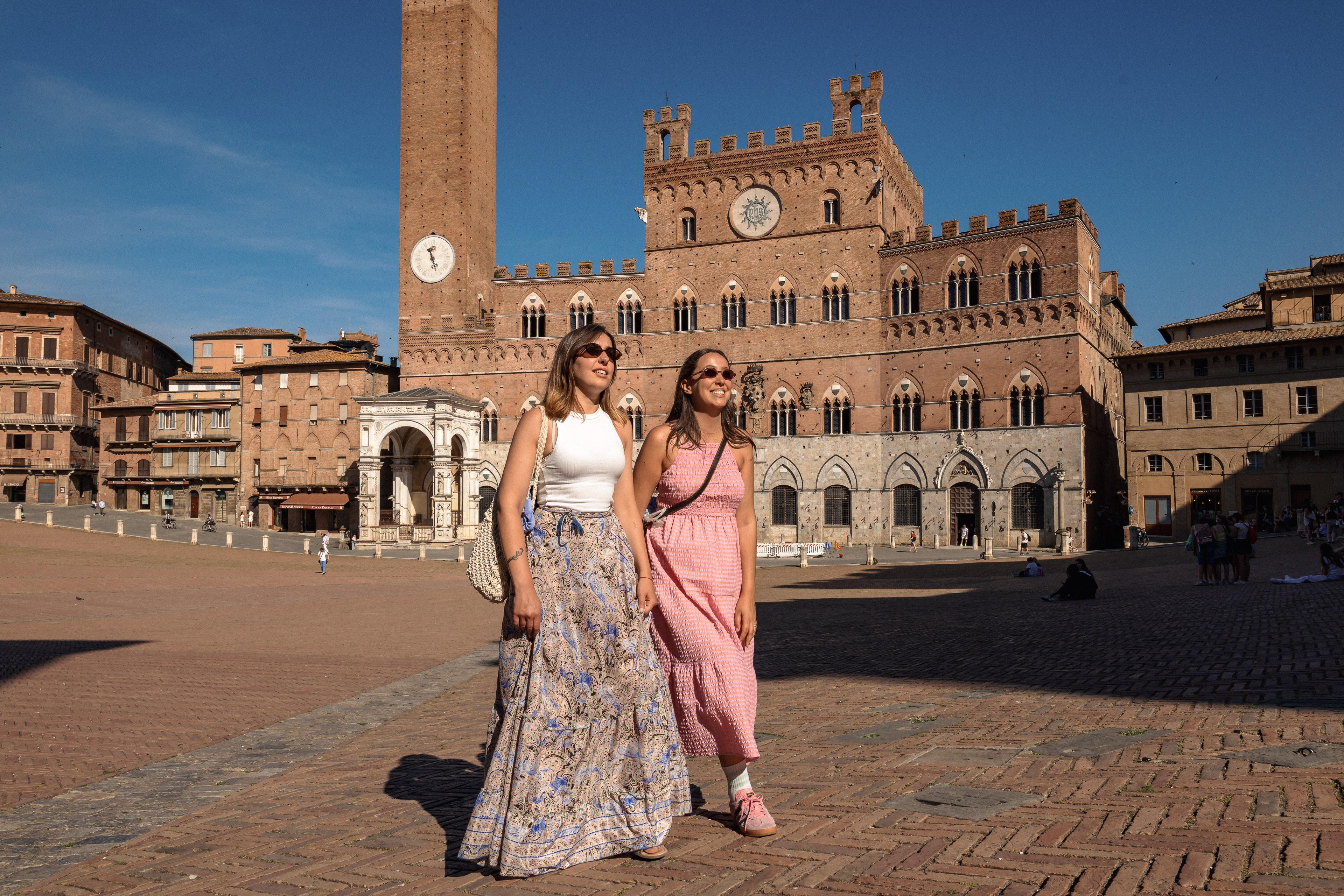
Tuscan Trio: Pisa, Siena & San Gimignano Day Tour with Lunch
- Expert local guide
- Small group
- Skip-the-line access
- Free cancellation
San Gimignano Winery Tour — Chianti Cellars & Medieval Tuscany
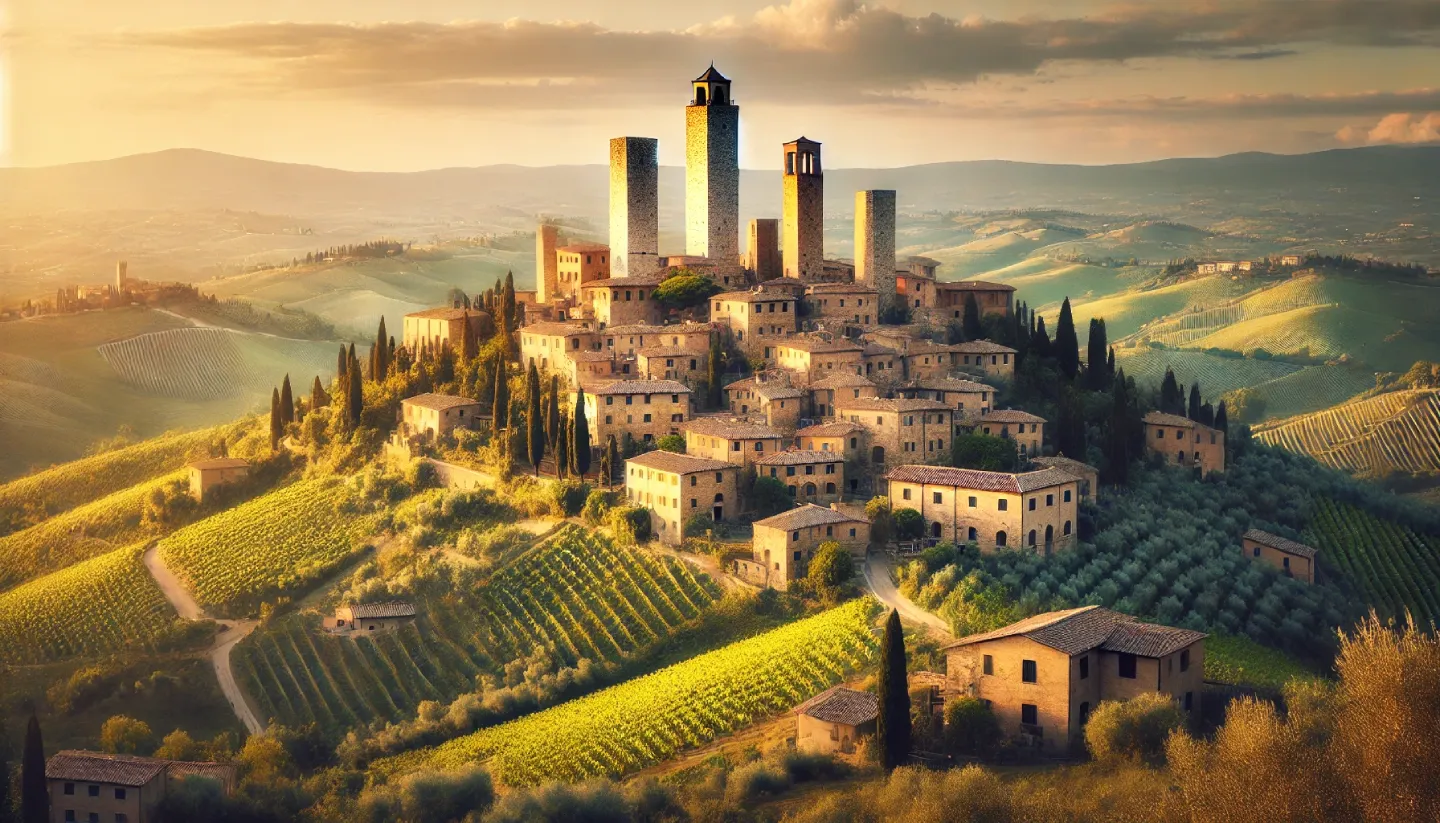
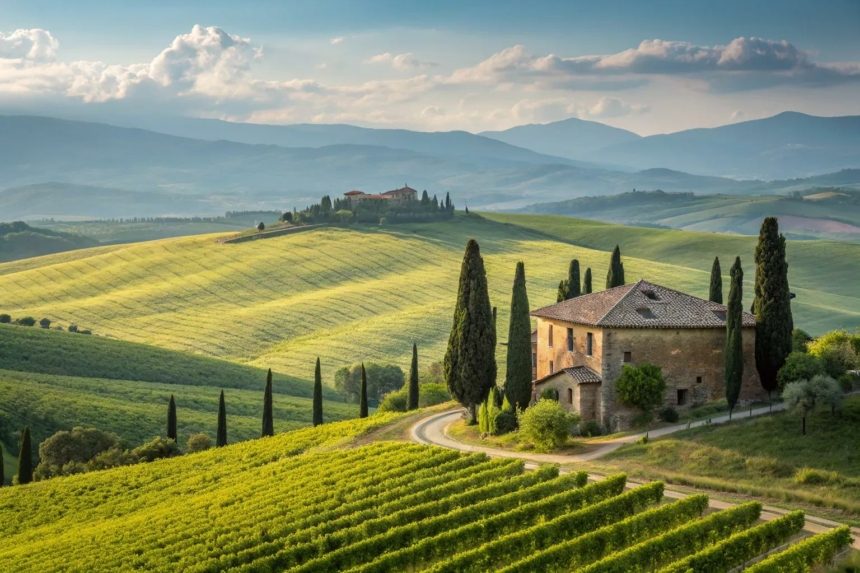
Vernaccia vineyards beneath medieval towers, stone cellars aging Chianti Classico
Compare fares, pick the fit — all bookings are mobile-voucher and eligible for free cancellation where shown.
12 hr 30 min
11 hr
7 hr
Visitors planning a san gimignano winery tour can select from tiered experiences ranging from brief vineyard introductions to comprehensive cellar-to-table lunch packages. These curated options allow travelers to explore the region's famous Vernaccia production through diverse local tasting formats.
| Mini Tour Aperitif focus |
Top pick Premium Experience Cellar & lunch |
|
|---|---|---|
| Duration | 1.5 hours | 2.5 hours |
| Vineyard Access | Included | Included |
| Cellar Tour | Included | Included |
| Meal Included | — | Full Tuscan lunch |
| Wine Selection | 5 local wines | 5 premium wines |
| Best for | Casual visitors | First-timers |
| See tickets & prices |
Verdict: Choose the Mini Tour for a concise introduction, or book the Premium san gimignano winery tour tickets for a complete, seated culinary experience.
Worth it for wine enthusiasts seeking Vernaccia access
A san gimignano winery tour delivers structured access to Vernaccia di San Gimignano estates that casual visitors rarely reach on foot. Most bookable options pair the medieval town with Chianti vineyard stops, offering guided tastings of DOC and DOCG wines alongside lunch in hillside cellars. The value proposition centers on three elements: transportation through Tuscany's vineyard zones, curated tastings at family-run wineries, and expert commentary on terroir and production methods. Self-guided visitors can sample Vernaccia in town piazzas, but san gimignano winery tour tours unlock private estates where small-batch vintages and reserve selections appear. Tours typically run six to nine hours from Florence, combining San Gimignano's tower skyline with two to three vineyard stops. The trade-off is simple: pay for transport and tasting logistics, or spend equivalent time navigating rural roads and cold-calling wineries for walk-in availability. For travelers prioritizing Tuscan viticulture over DIY flexibility, the structured access justifies the cost.
Bottom line: San gimignano winery tour tickets pay off when Vernaccia access and Chianti pairings outweigh the appeal of self-paced town exploration.
They complement each other; most visitors who do both call the vineyard visits the more relaxing experience for those seeking local flavor, while the historic walks offer essential cultural immersion.
|
Top pick San Gimignano Winery Tour |
Historic Center Walking Tour | |
|---|---|---|
| Primary Focus | Vineyards and wine production | Medieval architecture and towers |
| Typical Duration | 2–4 hours | 1.5–3 hours |
| Physical Intensity | Low; mostly seated | Moderate; steep cobblestone streets |
| Best Time to Visit | 09:00–11:00 | Early morning or late afternoon |
| Booking Requirement | Paid booking required | Free for self-guided exploration |
| Included Extras | Wine and olive oil tastings | None (self-guided) |
| See tickets & prices |
Verdict: Choose a san gimignano winery tour if you prioritize culinary immersion, or select a historic walking tour to explore the UNESCO-listed medieval skyline.
Hand-picked experiences loved by thousands of travelers
5-7 hours
Free Cancellation
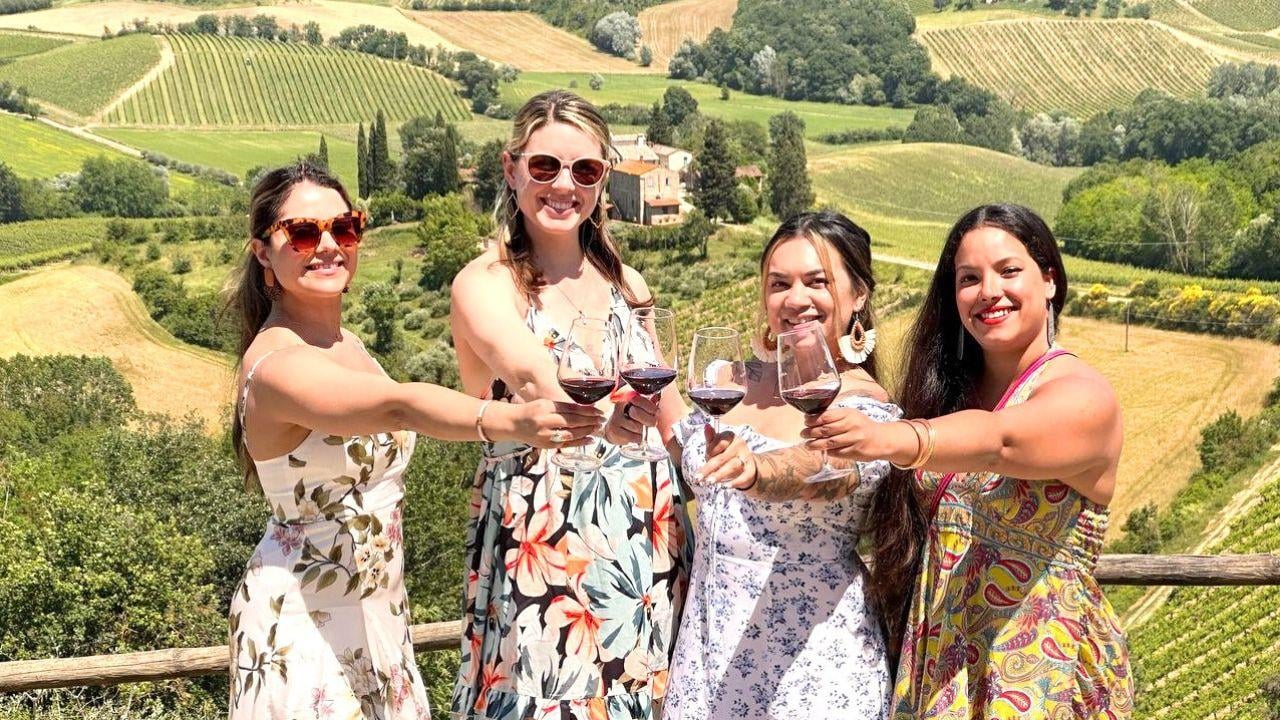
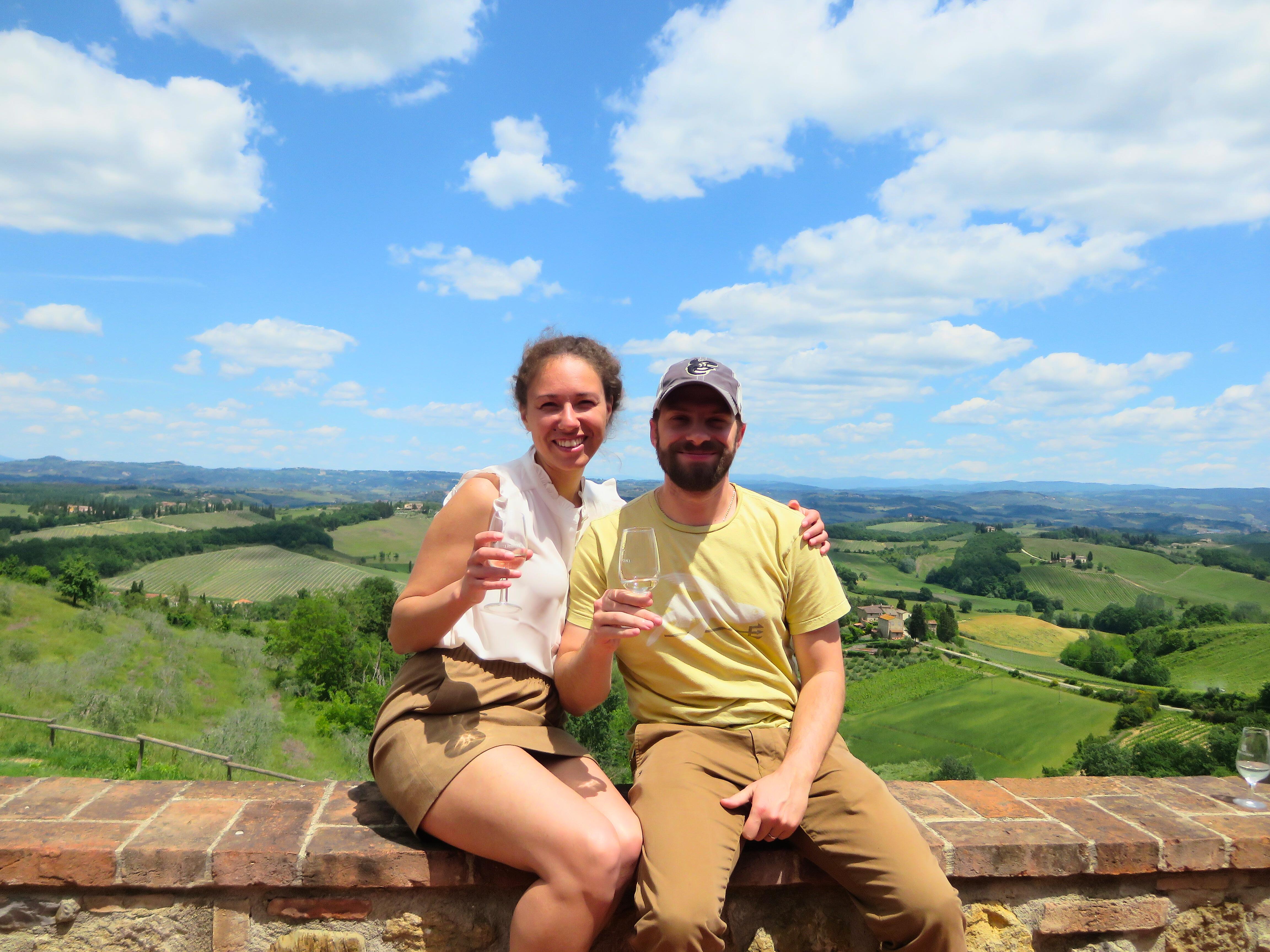
Savor nine Tuscan wines at two family estates, then explore the medieval towers of San Gimignano
5 to 9 hours
Free Cancellation
Discover Chianti vineyards, taste six wines with lunch, and explore medieval hill towns on this guided excursion.
2 hours
Free Cancellation
Explore a family-owned vineyard near San Gimignano with five wine tastings and authentic regional cuisine
2.5 hours
Free Cancellation
Savor authentic Tuscan cuisine paired with five regional wines at a charming countryside estate
6.5 - 7 hours
Free Cancellation
Discover Tuscan hill towns and vineyards with cellar tours, tastings, and lunch in medieval San Gimignano
7 hours
Free Cancellation
Full-day private journey through Chianti wineries with tastings, authentic lunch, and medieval town exploration
Meet at the designated vineyard entrance
Guided tour through rows of Vernaccia vines
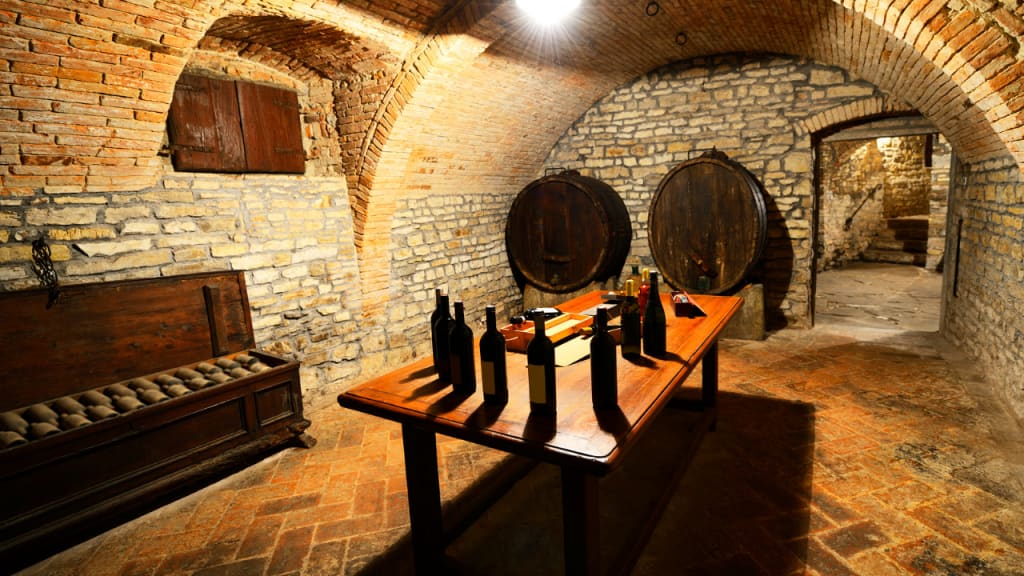
Observation of fermentation and aging barrels
Guided sampling of regional vintages
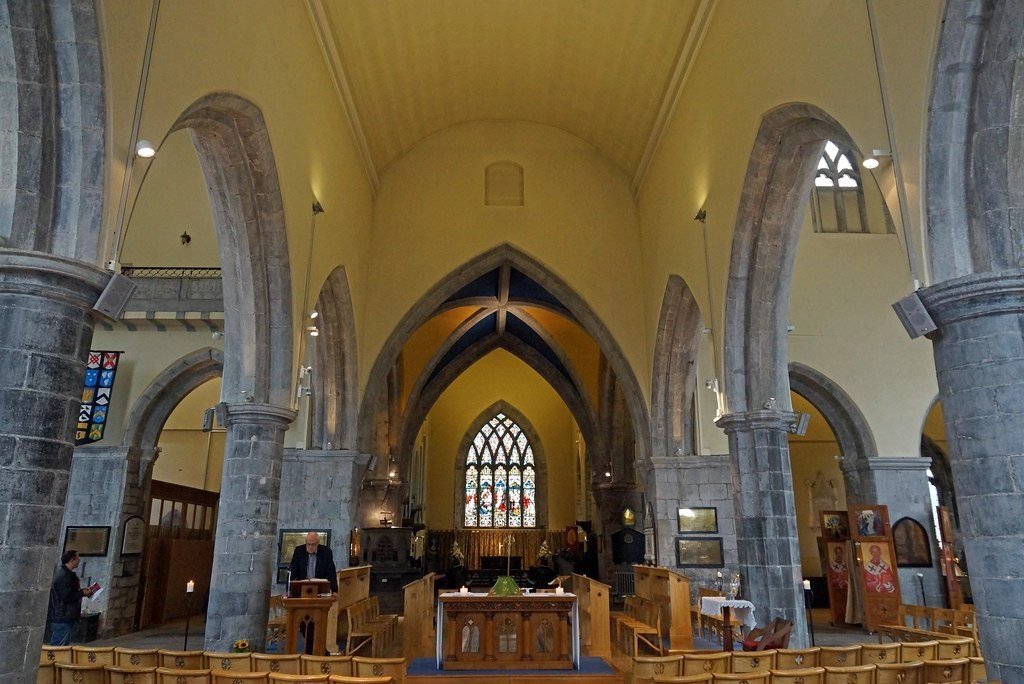
View the historic stone architecture where local wines have aged for generations. These cellars often feature original masonry dating back centuries.
Walk through the cultivated land where the famous Vernaccia grapes are grown. The terrain offers views of the rolling Tuscan hills.
Sample local vintages in a dedicated space managed by regional experts. Learn about the specific characteristics of the Tuscan soil.
Observe the modern and traditional equipment used in the winemaking process. See the stainless steel tanks and oak barrels utilized today.
You meet your group in the shadow of San Gimignano's Porta San Giovanni at nine in the morning, when September light slants across the Val d'Elsa and the day's heat has not yet settled into the valley.
Your driver navigates narrow roads lined with cypress trees, descending into Chianti Classico territory where the first estate opens its gates at half past nine. You walk through barrel rooms cut into tufa stone, the air cool and faintly sweet with oak tannins, while your guide explains the eighteen-month aging requirement for riserva bottlings.
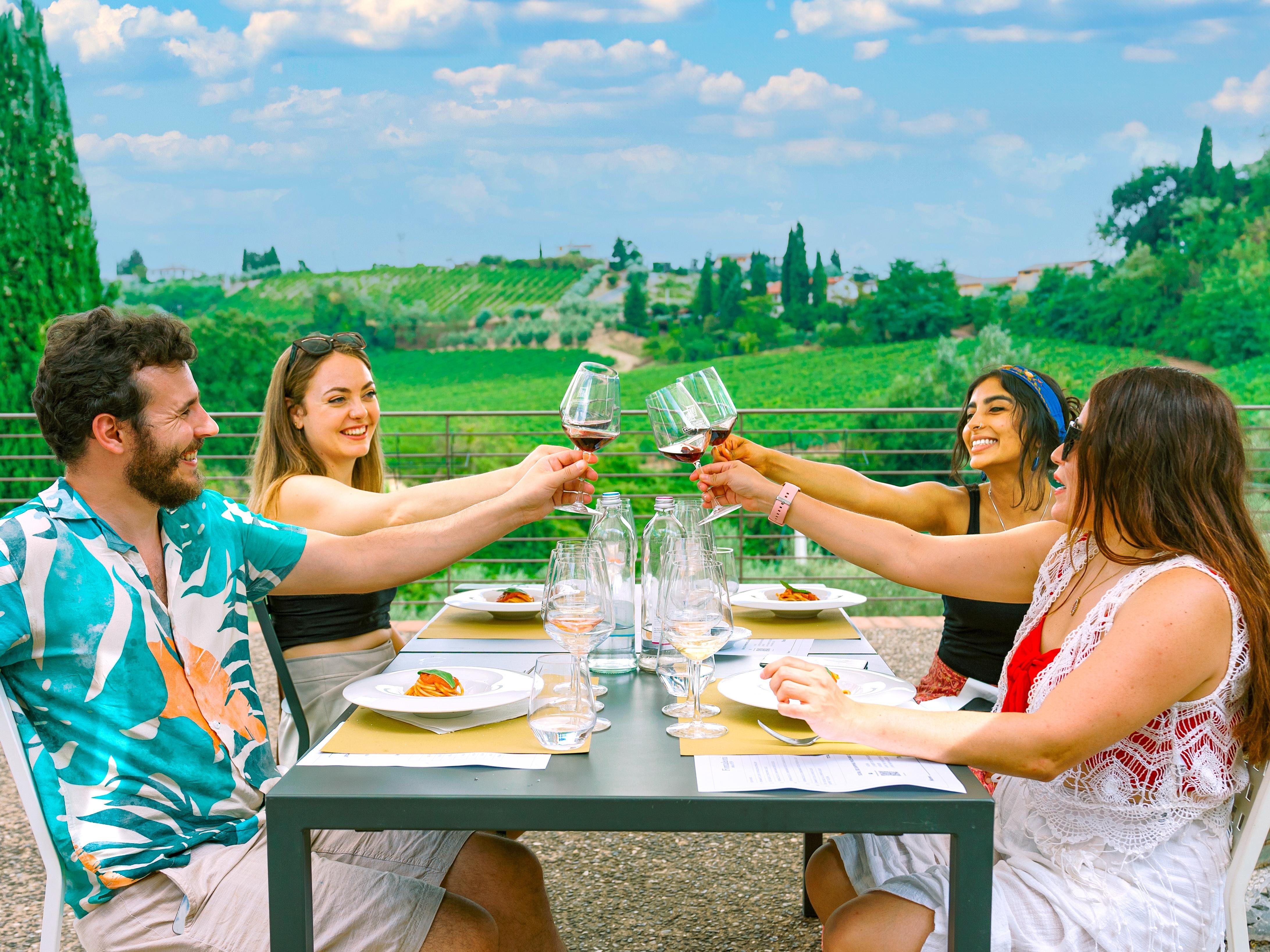
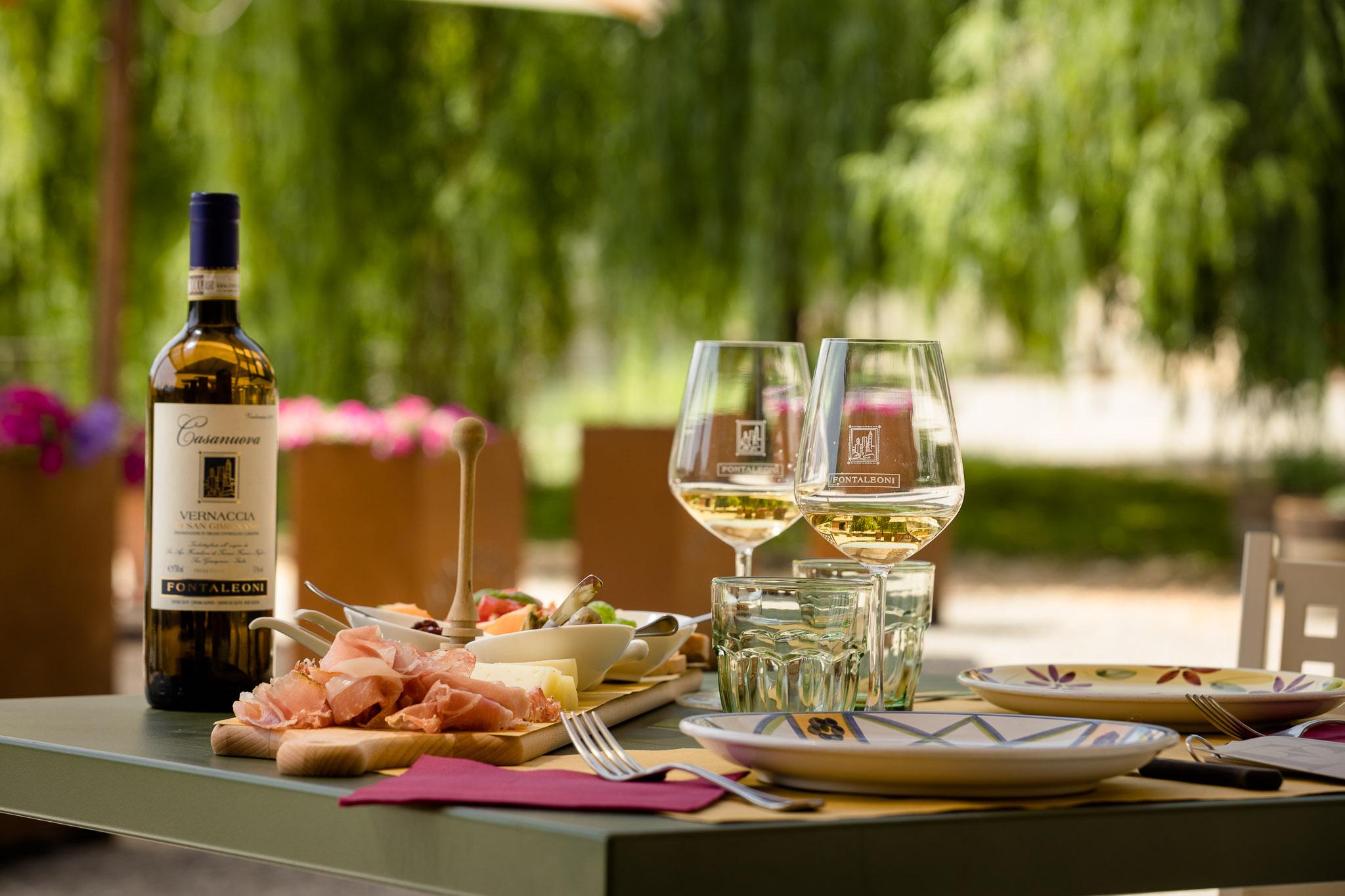
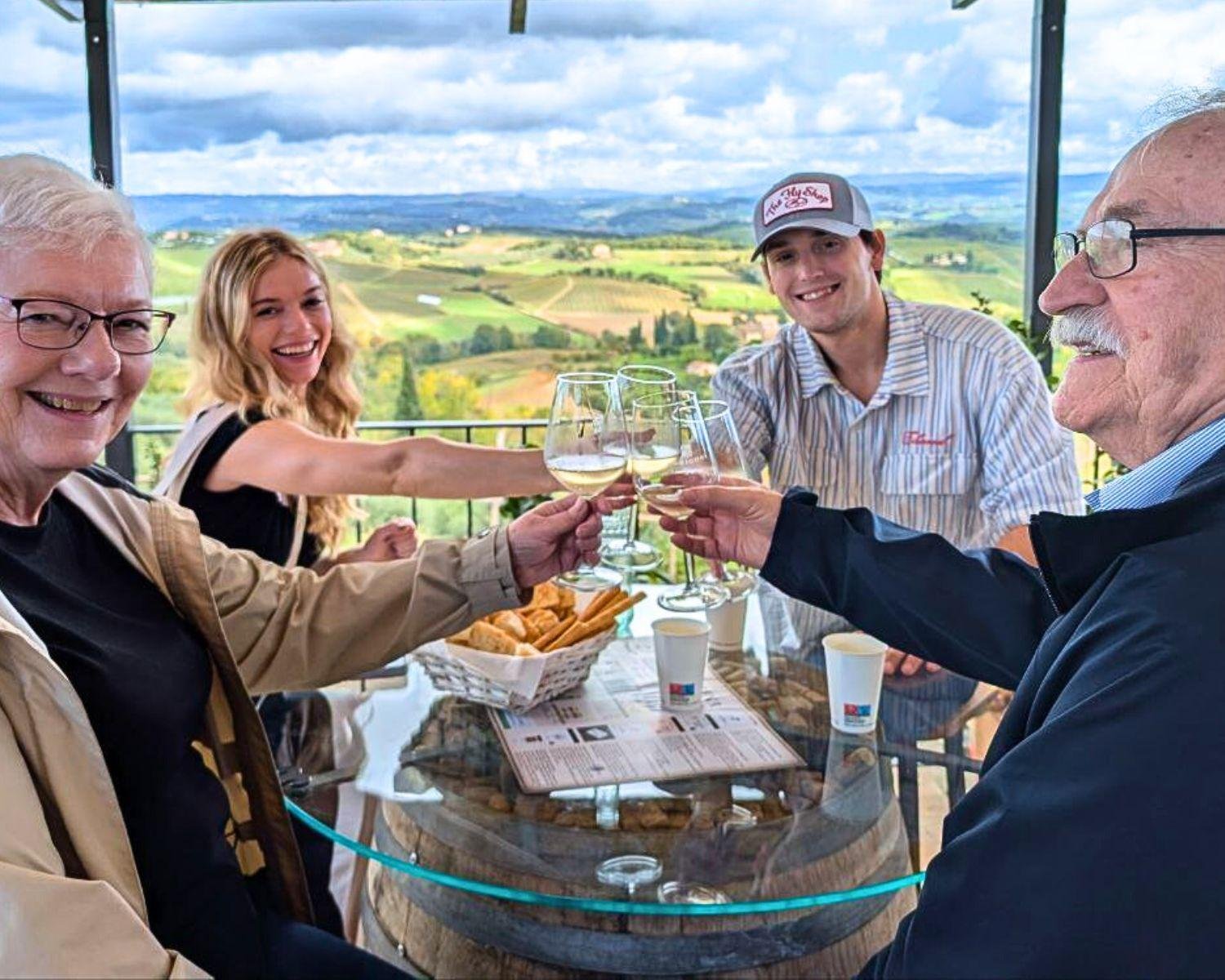
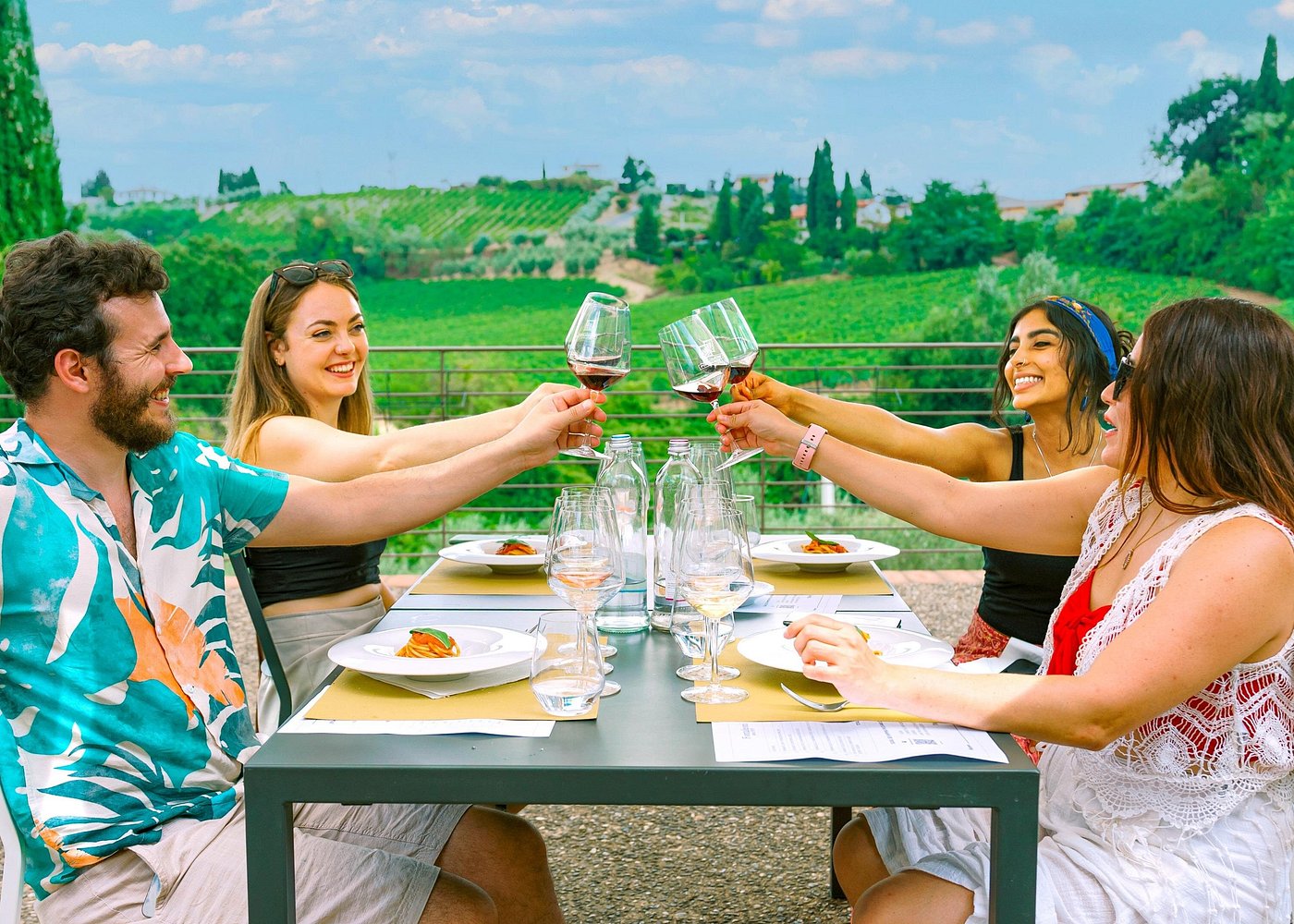
The tasting table overlooks terraced Sangiovese vines, their leaves beginning to turn amber at the edges. You sample three vintages of Chianti Classico paired with hand-sliced prosciutto and sheep's milk cheese, noting how the 2022 expresses brighter cherry fruit than the 2020's dried tobacco and leather. By eleven you've moved to a Vernaccia estate on San Gimignano's eastern slopes, where the winemaker pours from steel tanks before leading you to a shaded courtyard. Focaccia arrives with local olive oil, the bread still warm from the estate's wood oven. You return to town by early afternoon, the medieval towers visible from every turn in the road, their pale stone catching the light as your vehicle climbs back toward the historic center.
All the details about your upcoming adventure in one place
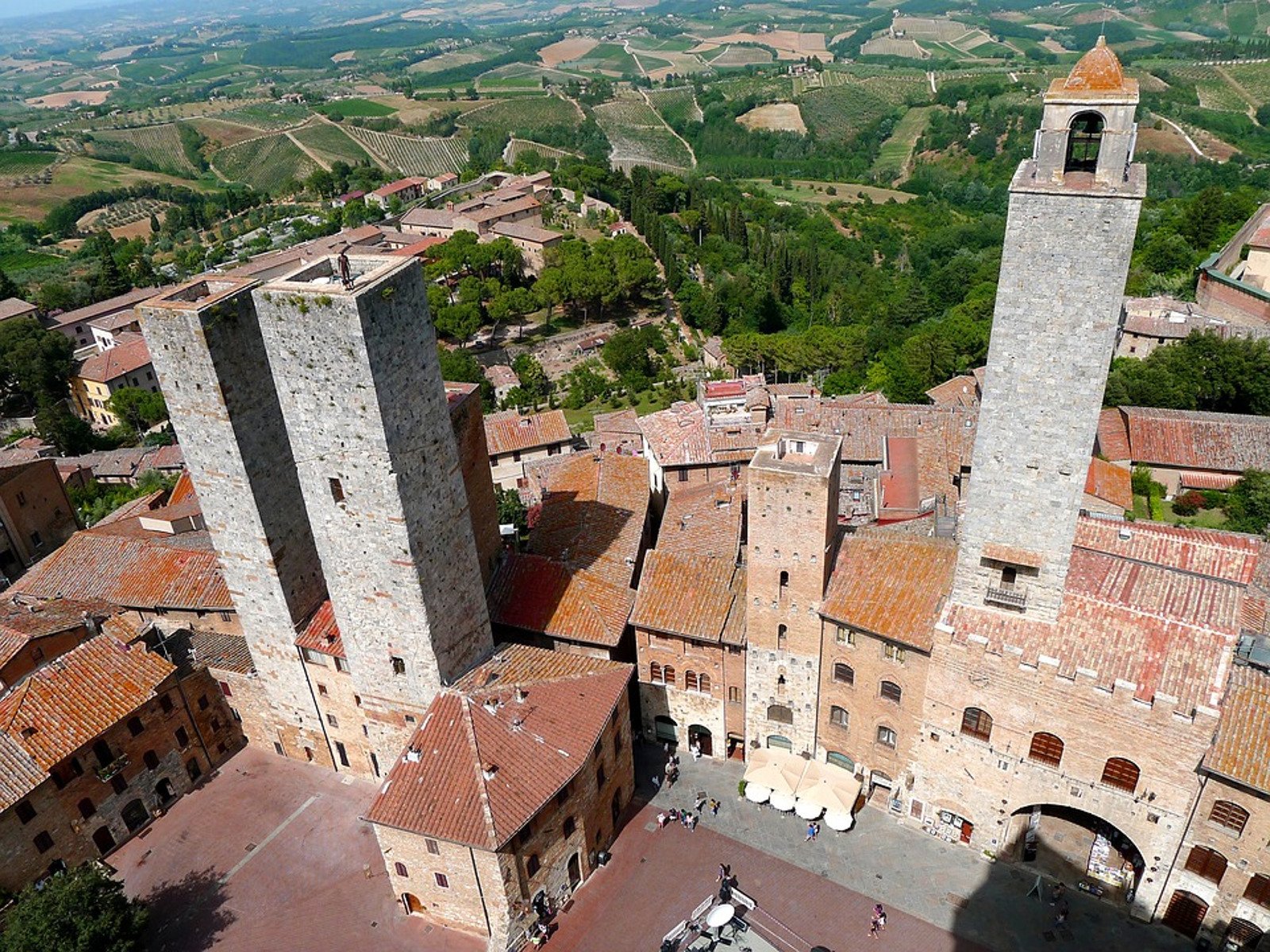
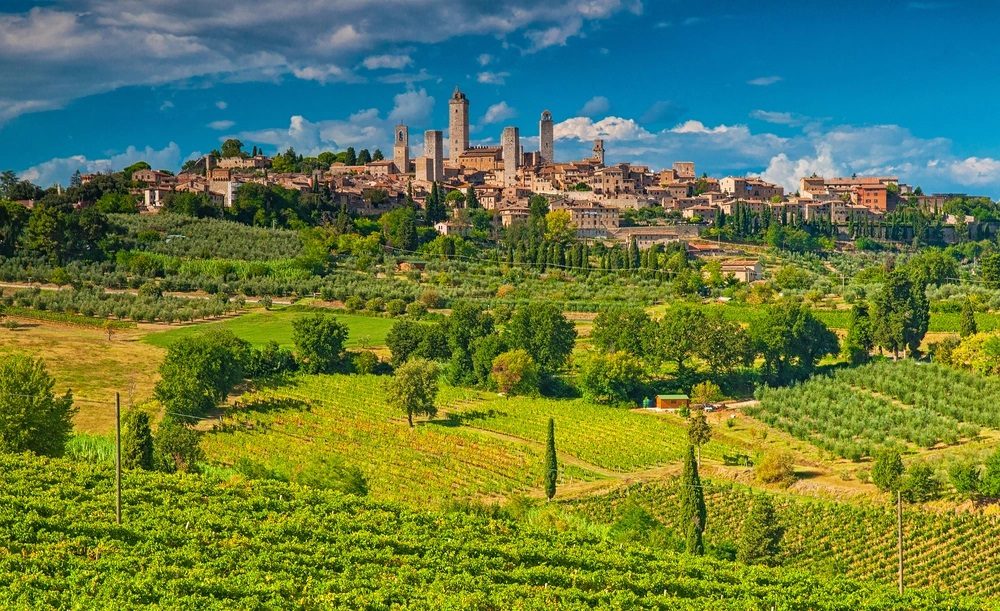
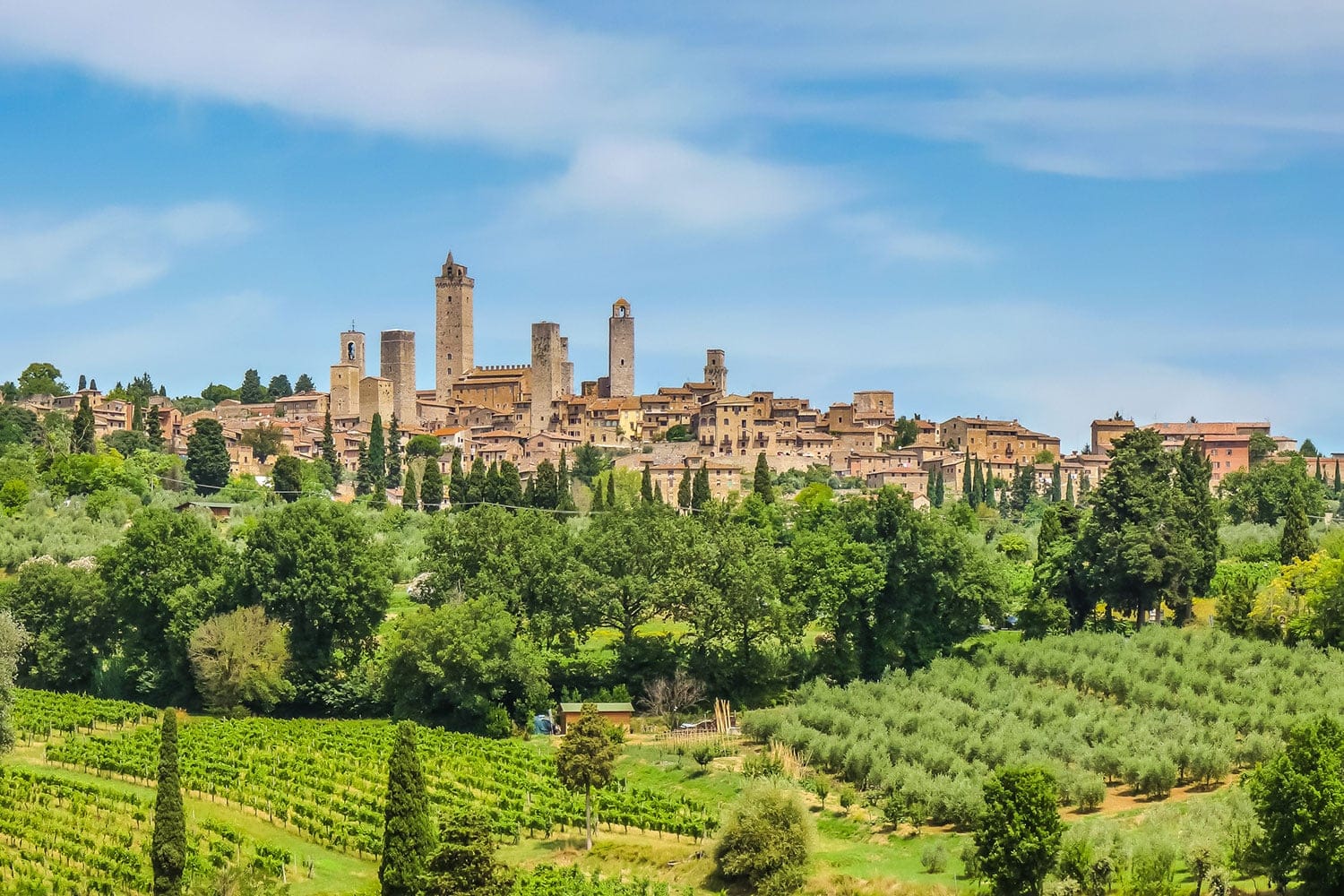
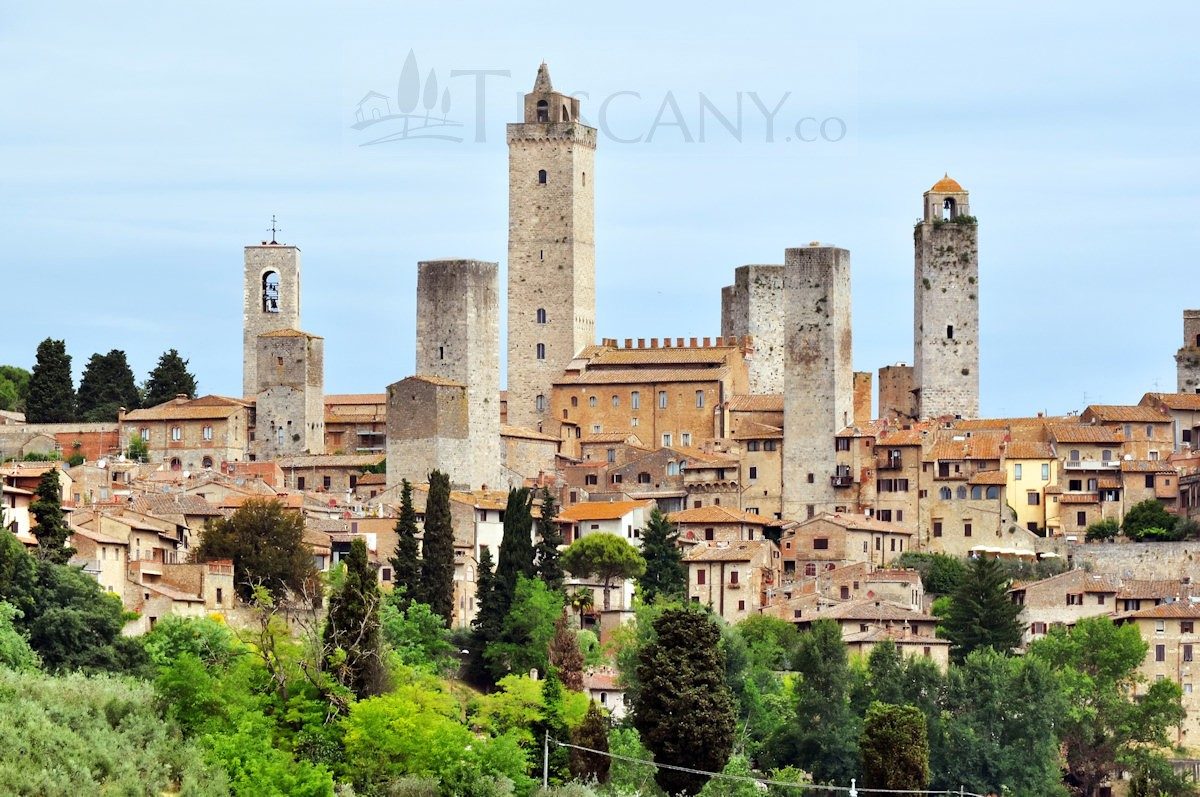
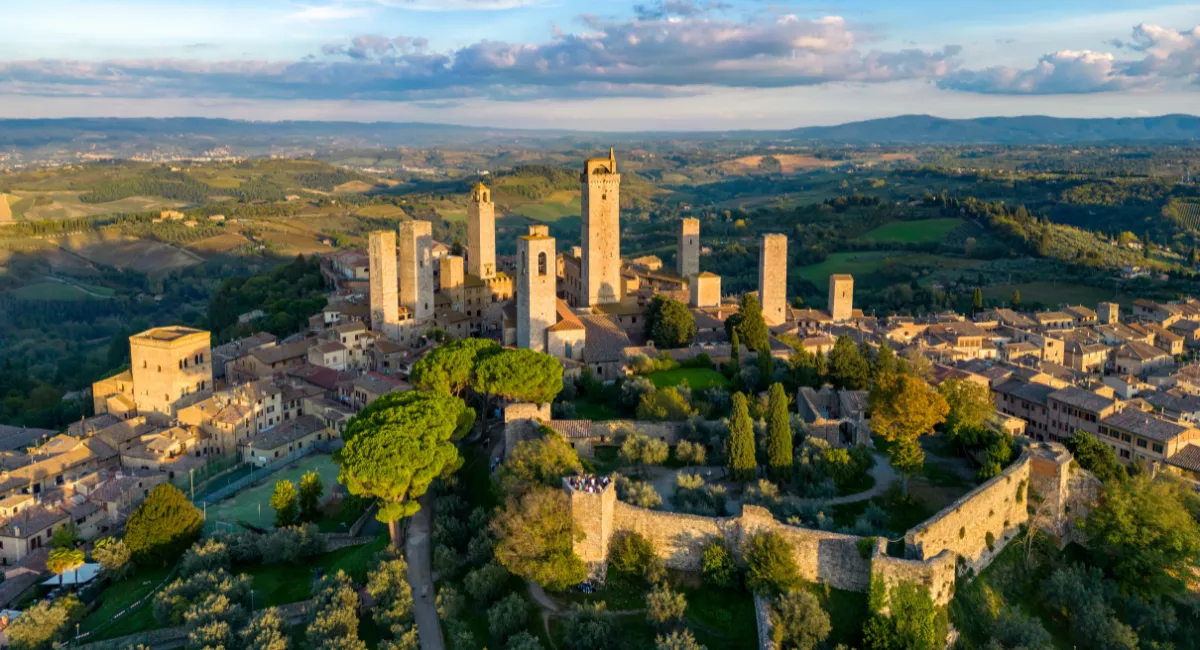
San Gimignano's medieval skyline of fourteen stone towers rises above vineyards that have produced Vernaccia di San Gimignano since the thirteenth century, when the white wine reached papal tables in Rome and merchant fleets carried it across the Mediterranean.
The hill town's proximity to the Chianti Classico zone—less than fifteen kilometers south—places it at the crossroads of Tuscany's two most storied wine territories. While pilgrims once paused here en route to Rome along the Via Francigena, today's visitors arrive for the confluence of architecture and agriculture, where Renaissance frescoes share the landscape with Sangiovese vines trained in the traditional alberello system.
The Vernaccia grape, cultivated on the slopes surrounding San Gimignano since at least 1276, became Italy's first wine to receive DOC status in 1966 and DOCG designation in 1993. Its tight clusters ripen slowly in the region's galestro and alberese soils—the same calcareous marl that defines neighboring Chianti—yielding a dry white with almond and citrus notes. Estate cellars built into the town's fortified walls still ferment in temperature-controlled steel or age reserve bottlings in French oak, methods refined over seven centuries of production. The Chianti Classico estates that dot the Val d'Elsa produce wines under the Gallo Nero consortium seal, their Sangiovese blends requiring a minimum two years of aging before release.
San Gimignano winery tour itineraries typically pair two to three estates across both appellations, moving between hilltop Vernaccia producers and valley-floor Chianti cellars where barrel rooms extend beneath Renaissance villas. Tastings present single-vineyard expressions alongside blended riservas, often accompanied by locally pressed olive oil, aged pecorino from Pienza, and finocchiona salami cured with wild fennel. The town's fourteen surviving towers—down from seventy-two in the fourteenth century—frame vineyard panoramas that stretch to the Apennine foothills, a geography shaped by the same medieval trade routes that first carried Tuscan wine beyond the Alps. Harvest season from late September through October offers the most vivid expression of this terrain, when tractors haul bins of hand-picked grapes through cobbled streets and fermentation scents drift from cellar vents.

Vernaccia di San Gimignano reached papal tables in Rome and crossed the Mediterranean on merchant fleets by the thirteenth century.
Casual and comfortable attire is recommended for a san gimignano winery tour. Sturdy, flat-soled footwear is necessary for walking on gravel paths and uneven vineyard terrain.
Keep personal belongings to a minimum during your san gimignano winery tour. Large backpacks are generally discouraged as they may interfere with navigating narrow cellar spaces.
Photography is generally encouraged throughout the vineyard grounds and tasting rooms. Please be respectful of other guests and avoid using flash during cellar tours.
Children are welcome on many grounds, though tasting activities are strictly for adults. Ensure your chosen san gimignano winery tour is listed as family-friendly before finalizing reservations.
Vineyard estates vary significantly; many historic cellars involve stairs and are not wheelchair accessible. Always check the specific san gimignano winery tour operator details before booking if you have mobility requirements.
Outside food and beverages are not permitted during guided tastings. Only items provided by the vineyard host should be consumed during the session.
Opening Hours
09:00–18:00
Address
San Gimignano, Province of Siena, Tuscany, Italy
Accessibility
Varies by estate; contact operators for mobility access
Best Arrival
09:00–11:00
Storage
Not available at most rural vineyard locations
Region
Tuscany, Italy
Car · 30-60 min · Parking fees vary by location.
Rental vehicles provide the most flexibility for reaching estates outside the city center.
Taxi · 20-30 min · Varies by distance.
Local taxi services can be arranged from the town center to your vineyard destination.
Full refunds are typically available for any san gimignano winery tour cancelled at least 24 hours in advance. Entrance to the general grounds is 0 EUR, but booked tastings require adherence to specific operator terms.
Recommended time
Half a day
To experience a san gimignano winery tour properly, allocate at least four hours to transition from the rural vineyards to the historic medieval center. Arriving during the best arrival window of 09:00–11:00 helps you secure san gimignano winery tour tickets before peak congestion occurs. Those opting for extensive cellar tastings or walking through Tuscan groves should plan for longer, while a concise san gimignano winery tour tour allows more time to explore local landmarks.
Crowd levels through the day
Weather · crowds · average price — dots go green to amber to red as each metric rises.
Mild temperatures and blossoming vines make this an ideal time for a san gimignano winery tour.
Expect warm days and busy vineyards; morning sessions are essential to avoid the afternoon heat.
The harvest season offers unique insights into production for those seeking a deeper local wine tour experience.
Quieter crowds and cozy indoor tasting sessions define the off-peak experience in the Tuscan countryside.
Popular tours sell out during peak summer months; ensure you have confirmed san gimignano winery tour tickets before traveling.
Vineyard tours often involve significant time under the sun, even in autumn.
Cellar temperatures are much cooler than the outside air, so a light jacket is useful.
The experts leading your san gimignano winery tour are usually happy to share deep knowledge of the terroir.
While many operators take cards, smaller estates may occasionally prefer cash for extra purchases.
San Gimignano, Province of Siena
Check your specific booking confirmation for exact location details
Get directionsThe hillsides surrounding San Gimignano have nurtured vines since Etruscan settlers recognized the soil's calcareous composition in the 8th century BCE. Roman agronomists documented the area's white grape cultivation by the 1st century CE, establishing patterns that would define Tuscan viticulture for two millennia. Medieval San Gimignano exported its Vernaccia wine to papal courts and Florentine banking houses by 1276, when city statutes first codified vineyard boundaries and harvest protocols. The golden age ended abruptly in 1348 when plague reduced the population by sixty percent, abandoning terraced vineyards that would not be replanted for generations. Vernaccia di San Gimignano became Italy's first DOC wine in 1966, a designation that formalized centuries of informal reputation but also imposed strict geographic and varietal requirements. The 1980s brought temperature-controlled fermentation and stainless steel tanks to estates that had relied on concrete vats and ambient temperatures since the 19th century. Cooperative wineries formed during this modernization wave collapsed profit margins, forcing smaller producers to pivot toward agriturismo and guided tastings by 1995. San Gimignano winery tour offerings expanded rapidly after 2000 as international visitors sought experiences beyond the medieval towers, transforming working farms into dual-purpose operations. Today twenty-three estates within the original DOC boundaries offer structured san gimignano winery tour programs, blending cellar visits with vineyard walks through the same clay-limestone plots Etruscans first cleared. The tour tickets now represent forty percent of direct revenue for mid-sized producers, a dependence that has sparked debate about preserving winemaking authenticity while accommodating visitor expectations. Vernaccia vines planted in the 1970s still produce fruit alongside experimental Sangiovese blocks, a living archive of the region's agricultural evolution.
Etruscan settlers plant the first documented vines on San Gimignano's calcareous hillsides.
City statutes formalize Vernaccia wine trade regulations and vineyard boundary definitions.
Plague devastates the population, abandoning terraced vineyards for over a century.
Vernaccia di San Gimignano receives Italy's first DOC designation, codifying production standards.
Temperature-controlled fermentation replaces traditional concrete vat methods across local estates.
Economic pressure drives wineries to open their cellars for paid tours and tastings.
San gimignano winery tours become a primary revenue stream, reshaping estate operations.
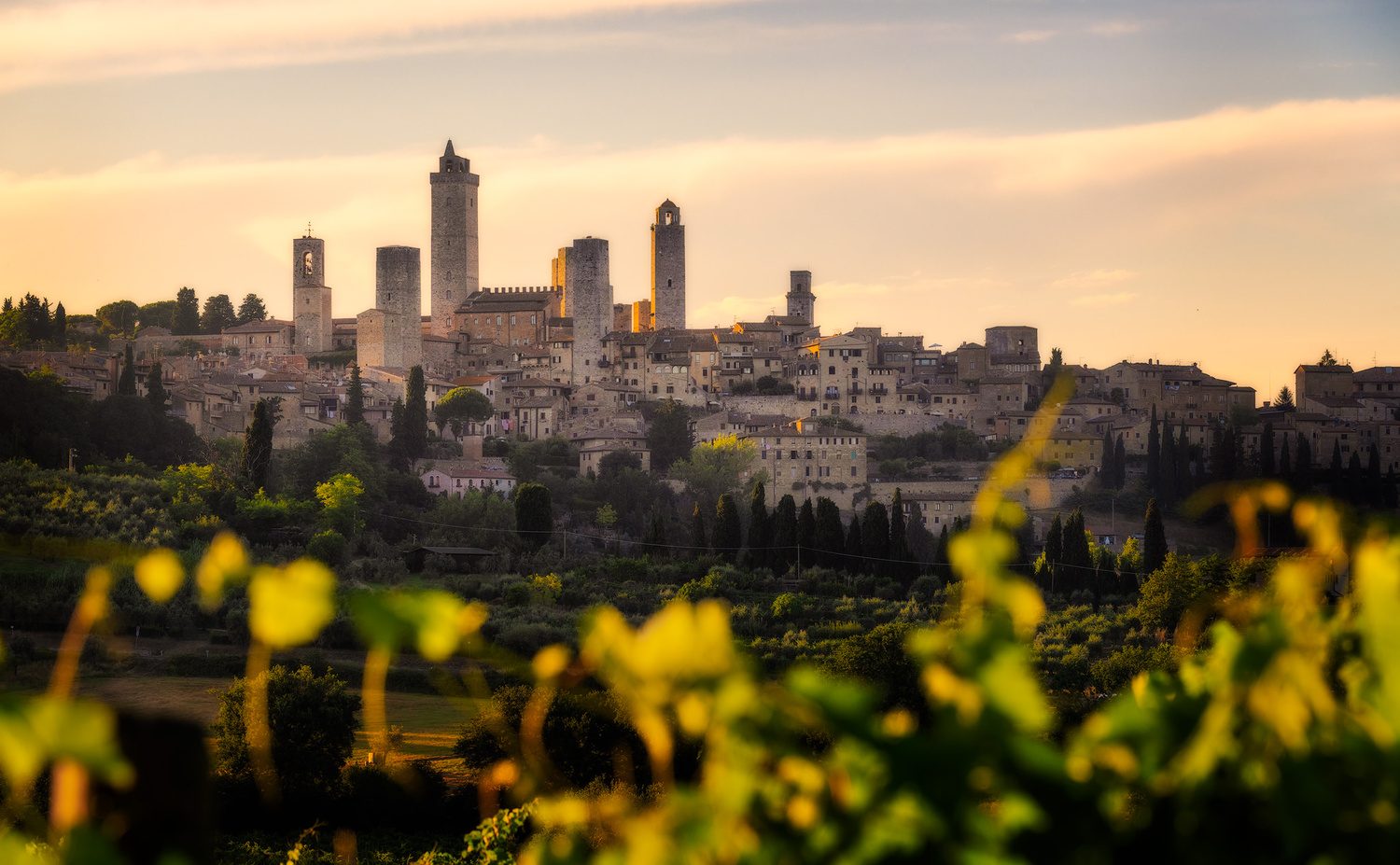
Stand at the edge of the vine rows to capture the rolling hills of Tuscany in the foreground with the medieval skyline in the distance. This provides a quintessential san gimignano winery tour perspective.
Exploring a san gimignano winery tour with children offers a relaxed way to experience the rolling hills of Tuscany. While the grounds are spacious, planning your visit carefully helps manage expectations for younger travelers.
The gravel paths can be uneven, so a sturdy stroller is recommended for navigating the vineyards; note that san gimignano winery tour tours may involve unpaved sections.
Children who enjoy outdoor exploration and open spaces thrive here, as there is plenty of room to move around outside the tasting areas.
Entrance fee is 0 EUR, but be aware that dedicated baby-change facilities are limited, so it is best to be prepared for on-the-go care.
To ensure a stress-free experience, aim to arrive during the best arrival window of 09:00–11:00 to avoid mid-day heat.
While you secure your san gimignano winery tour tickets, consider bringing portable snacks as kid-friendly menus vary across the estate.
Indoor spaces for these vineyard landmarks are often limited, making clear, dry weather the most practical time to book your san gimignano winery tour tour.
Exploring the countryside provides excellent opportunities to pair local Vernaccia with authentic Tuscan cuisine near your san gimignano winery tour. Visitors will find rustic osterias and farm-to-table eateries within a short drive or walk of the main vineyard hubs.
Located within the town walls, this spot serves traditional crostini and local pasta dishes. It is a reliable choice for lunch after finishing your san gimignano winery tour tours.
Everything you need to know for your journey
The estates are open daily from 09:00–18:00. Please arrive within the 09:00–11:00 window to enjoy your experience.
Entrance to the grounds is 0 EUR, though specific tastings and tours require paid bookings.
The best time to arrive is 09:00–11:00 to avoid mid-day crowds and heat.
Many tours welcome families, but you should confirm if the specific san gimignano winery tour includes activities for minors.
Most tours last between 2 and 3 hours including the tasting.
Cancellations for a san gimignano winery tour are generally handled based on the operator policy, usually requiring 24 hours notice.
Yes, personal photography is permitted during your visit to the vineyard and cellar.
Yes, you can combine your visit with local landmarks like the Piazza della Cisterna or the Duomo di San Gimignano.
Bring comfortable walking shoes, a hat, and water for your san gimignano winery tour.
A historic triangular square at the heart of the town.
The tallest tower in town offering panoramic views of the region.
A Romanesque church famous for its interior frescoes.
The civic palace containing significant historical art collections.
Historic hotels located within the medieval walls.
Farm stays located directly among the vineyards.
High-end options located in the nearby provincial capital.
Join thousands of happy travelers who have discovered this incredible experience
Book Your Experience Now